
Root Canal Therapy & Tooth Pain Relief in Coral Gables
Tooth pain can disrupt your sleep, make eating uncomfortable, and create constant anxiety throughout the day. If you're experiencing deep, lingering sensitivity or swelling, the inner portion of your tooth may be infected.
Our modern root canal therapy is designed to gently eliminate infection, relieve discomfort, and preserve your natural tooth — so you can return to comfort and confidence without unnecessary procedures.
What Is a Root Canal?
Tooth pain often starts quietly. A little sensitivity. A dull ache. Then it becomes harder to ignore.
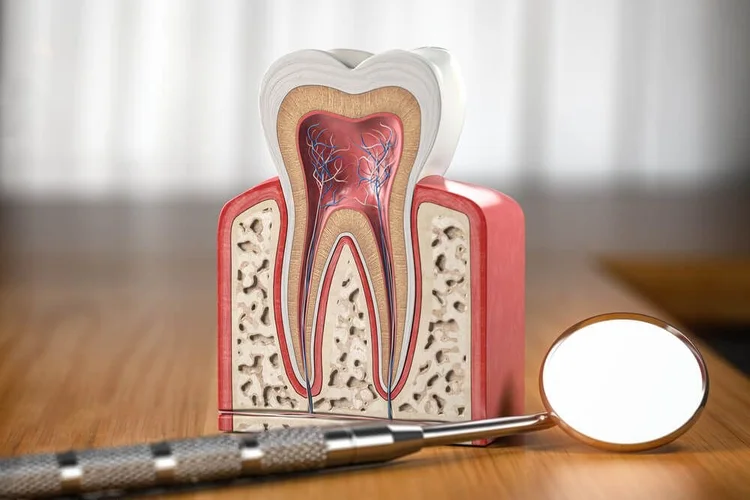
Inside every tooth is a soft center called the dental pulp. This area contains nerves and blood vessels that help the tooth develop and respond to temperature.
When bacteria enter the tooth due to deep decay, cracks, trauma, or repeated dental procedures, the pulp can become infected. Because the tooth is surrounded by hard enamel, pressure builds inside — and that pressure causes the throbbing pain many patients describe.
A root canal removes the infected tissue, disinfects the inside of the tooth, and seals it to prevent further contamination.
In simple terms: We remove the source of the pain while saving your natural tooth.
Without treatment, the infection can spread beyond the tooth, potentially leading to bone loss, swelling, or an abscess. Early treatment prevents these complications and allows you to avoid extraction.
Signs You May Need Root Canal Treatment
A simple examination and digital imaging can determine whether root canal therapy is necessary.
Persistent Tooth Pain
Pain that lingers or worsens when chewing may indicate infection deep inside the tooth. This discomfort may feel sharp, throbbing, or constant.
Sensitivity That Doesn't Go Away
If hot or cold sensations last longer than a few seconds after exposure, the pulp may be inflamed or infected.
Swelling or Tenderness in the Gums
Infection can irritate surrounding tissue and cause localized swelling or tenderness near the affected tooth.
Darkening of the Tooth
A tooth that appears darker than surrounding teeth may signal internal damage or pulp breakdown.
A Small Pimple-Like Bump on the Gum
This can be a sign of an abscess draining infection and should be evaluated promptly.
What Happens During a Root Canal?
Many patients fear the procedure — often because of outdated information. Modern root canal treatment is precise, efficient, and comfortable.
We use advanced digital imaging to identify the exact location and extent of infection. This allows us to create a conservative and accurate treatment plan tailored to your specific tooth.
The area is fully numbed before treatment begins. Most patients report that it feels similar to getting a filling.
The infected pulp is carefully removed. The inner canals are cleaned, shaped, and disinfected to eliminate bacteria and reduce the risk of reinfection.
The tooth is sealed to prevent reinfection. In many cases, a crown is recommended to restore strength and protect the tooth long-term.
The goal is simple: Relieve pain. Preserve your tooth. Restore function.
Root Canal vs. Extraction
When infection is present, patients sometimes ask whether it's better to remove the tooth entirely. In most cases, saving your natural tooth is the healthiest long-term option.
- Maintains proper bite alignment
- Prevents shifting of nearby teeth
- Avoids bone loss in the jaw
- Eliminates the need for implants or bridges
- Often more cost-effective over time
- May require a dental implant or bridge
- Can lead to shifting of surrounding teeth
- May contribute to gradual bone loss
- Often involves additional procedures and cost
Whenever possible, preserving your natural tooth provides better stability, function, and long-term oral health.
Are Root Canals Painful?
This is one of the most common concerns we hear.
With modern anesthesia and advanced techniques, most patients feel little to no discomfort during treatment. In fact, root canal therapy is designed to relieve pain — not cause it.
After treatment, mild soreness may occur for a few days, but it is typically manageable with over-the-counter medication.
Frequently Asked Questions
Delaying treatment allows infection to spread. Over time, it can damage surrounding bone, cause swelling, lead to abscess formation, or result in tooth loss.
Early treatment prevents complications and is typically simpler and more predictable.
Most root canal treatments can be completed in one appointment. More complex cases may require two visits.
Many dental insurance plans provide partial coverage for root canal therapy and crowns. We review benefits and provide transparent estimates before treatment begins.
You may experience mild sensitivity for a few days. Most patients return to normal activities the same day. Over-the-counter pain relievers are typically sufficient for any discomfort.
In many cases, yes. A crown helps protect and strengthen the treated tooth, especially for back teeth that absorb chewing forces.
Relieve the discomfort. Protect your natural smile.
Schedule a consultation and let us help you restore comfort with gentle, modern care.
Schedule Your Consultation